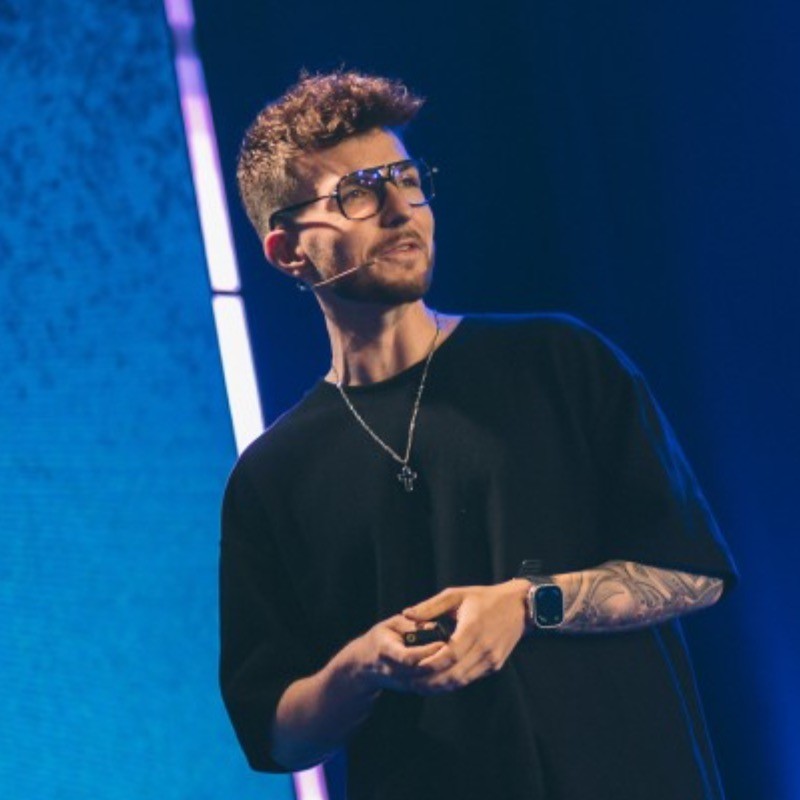
The Codex Ambassador program gave me a chance to do something I already wanted to do: get people in a room and use the tool together.
Codex moves fast. New features show up all the time. New use cases show up even faster. And a lot of the useful learning still happens in person, when people compare setups, share what worked, get stuck on something, and figure it out together.
Here’s what we’ve done in Q1 and where we’re headed.
We also recorded a short behind-the-scenes vlog from the road. If you want to see what these meetups looked like outside the written recap, you can watch it here.
What we did so far
Berlin
We started in Berlin. It was the first time I ran one of these there, and since we are based in Wrocław, I did not really know what to expect. What surprised me most was the size of the crowd. The second surprise was the demos. We had a stage, we opened the mic, and a lot of people actually came up and shared what they were building.
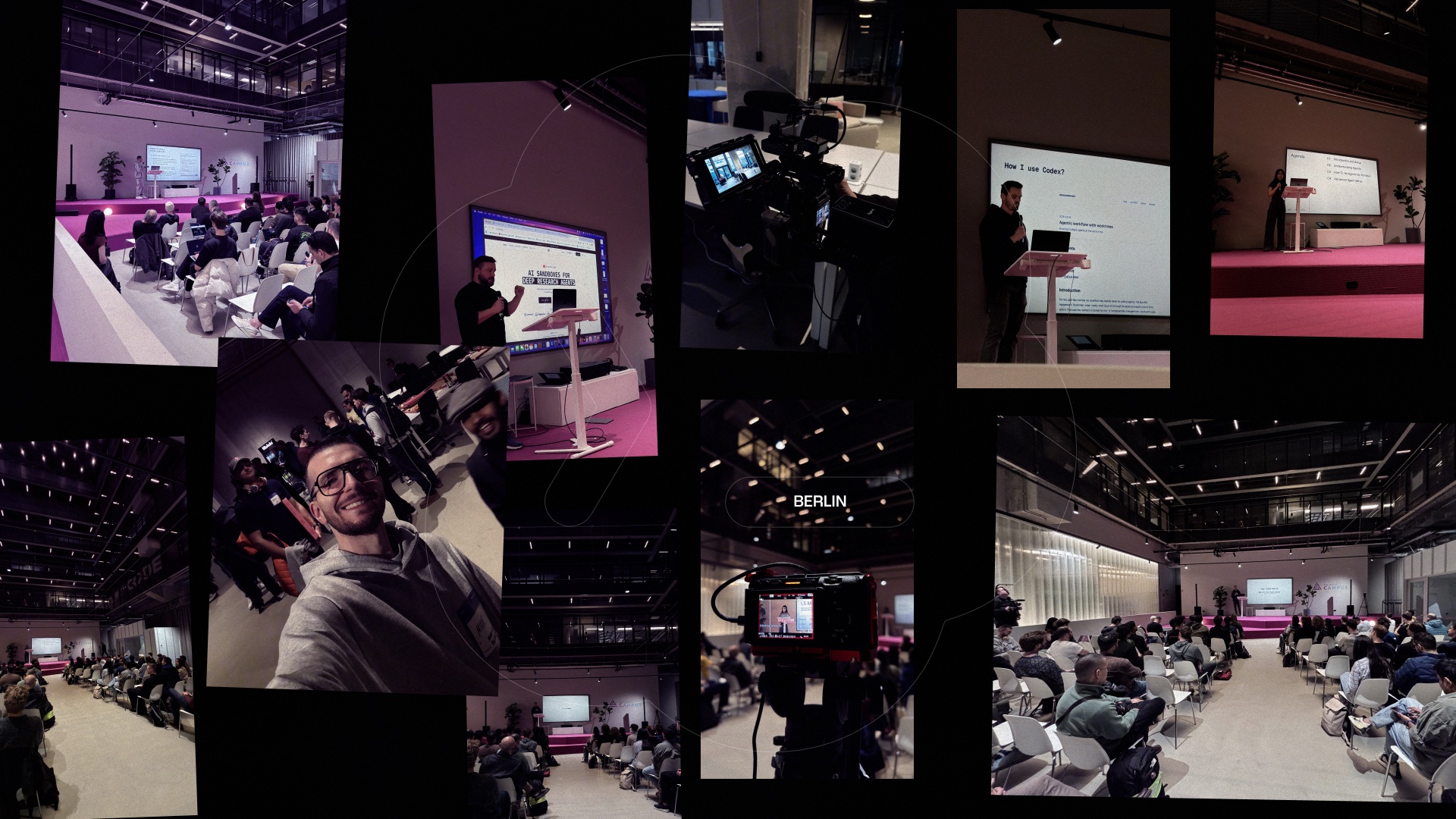
I am always a bit nervous about that part, because you never know if the room will respond. This time it really did.
Wrocław
Wrocław was next, and that one was special for a different reason. It was our city, and even though the community is much smaller than Berlin, we still filled the whole office. That felt great. There is nothing better than running a meetup and feeling that kind of energy in the room.
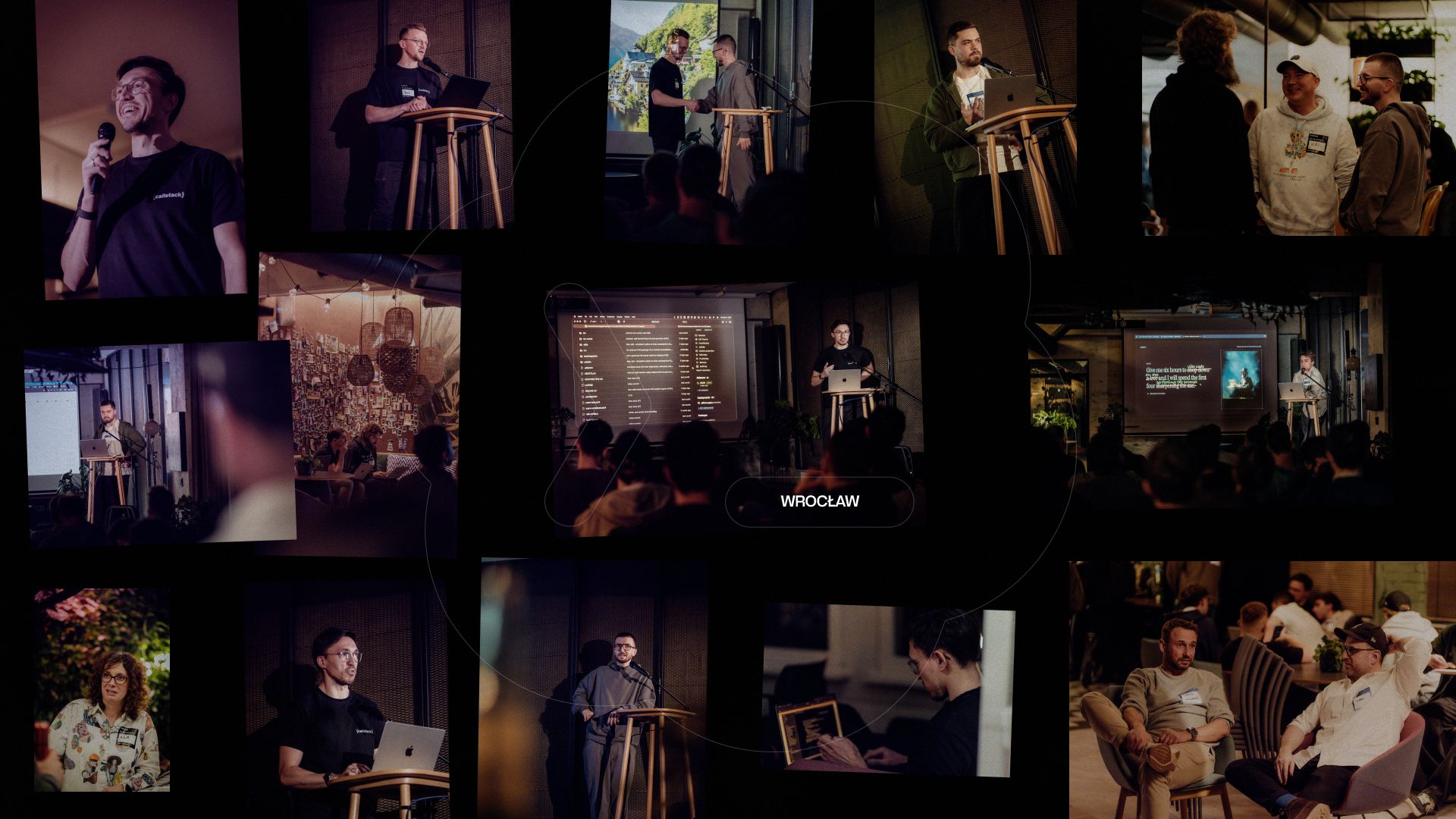
The lineup was also broad. We had talks that showed use of Codex in a variety of different engineering tasks, from quality assurance to design.
Warsaw
Then we continued in Warsaw, where we tried something different: a daytime coffee workshop. It was the first time we ran that format, and I was not sure how many people would actually show up to work, hack, and learn how to use Codex in the middle of the day. A lot of people did.
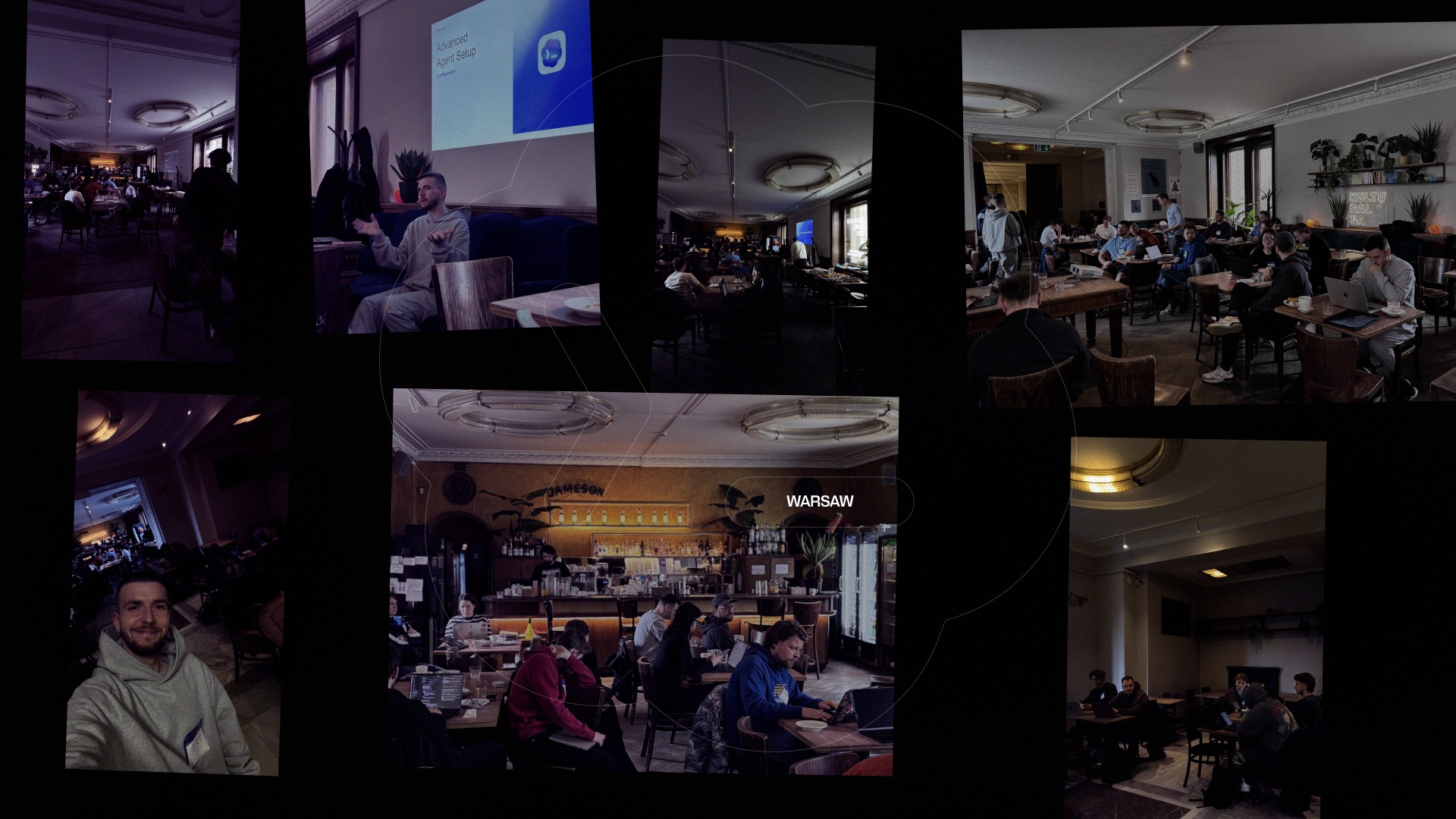
One thing that stayed with me from that event was presentations that came from people who were not engineers. It was really interesting to see how they think about these tools, what kinds of problems they bring to them, and how different their perspective can be.
OpenMercato Hackathon - Sopot
Next, we went to Sopot, to take part in an agentic software engineering hackathon built around Open Mercato, an open source ERP project. We helped make Codex available so people could use it directly.
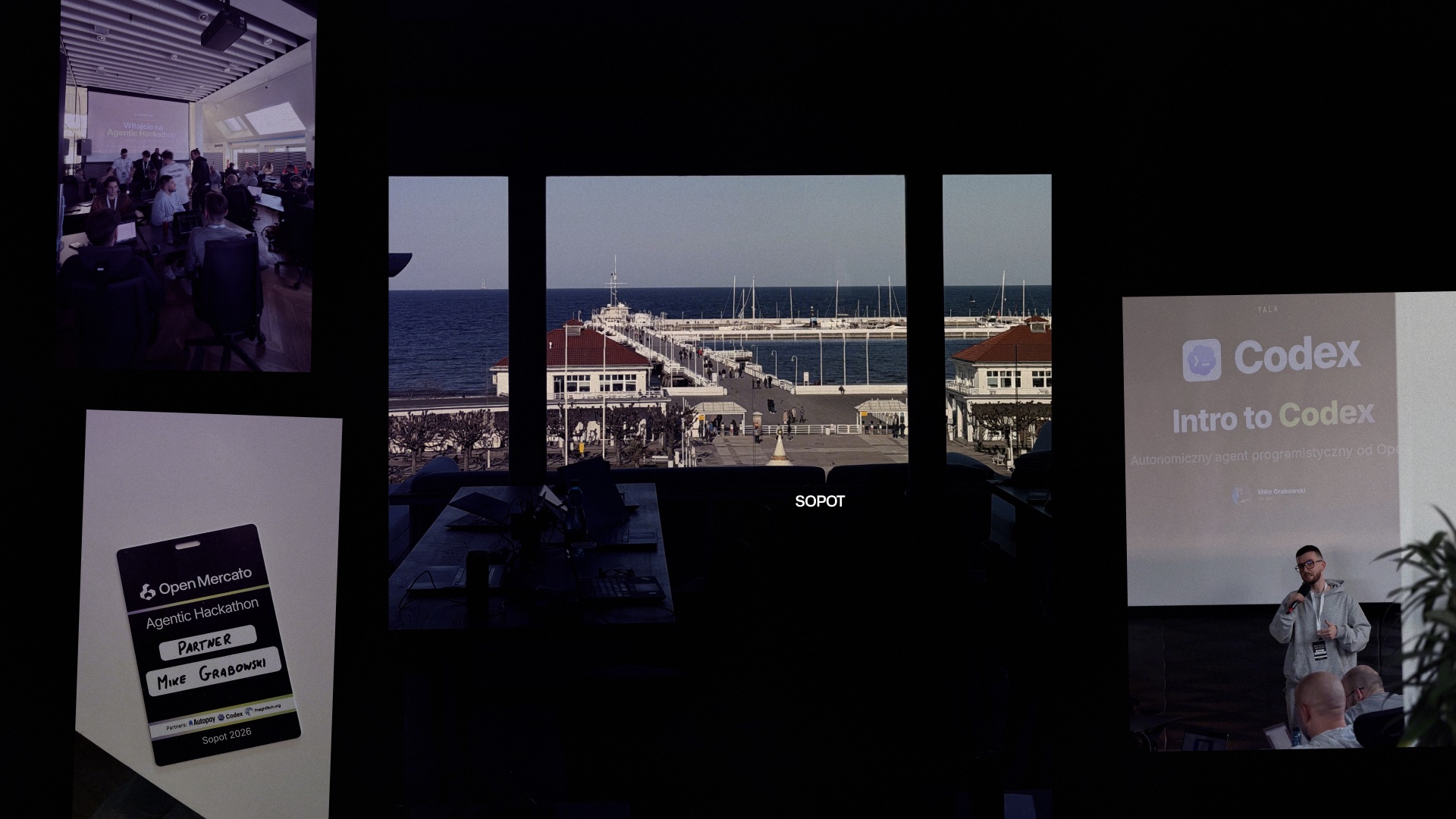
Once they did, the value was obvious: Codex is faster, has more generous rate limits, and the model performs in hard engineering work.
Miami
Finally, we moved to Miami, where we did something even more casual. Instead of a meetup, we sat in a cafe in Wynwood and did one-on-one pair programming sessions with people who were curious about Codex.
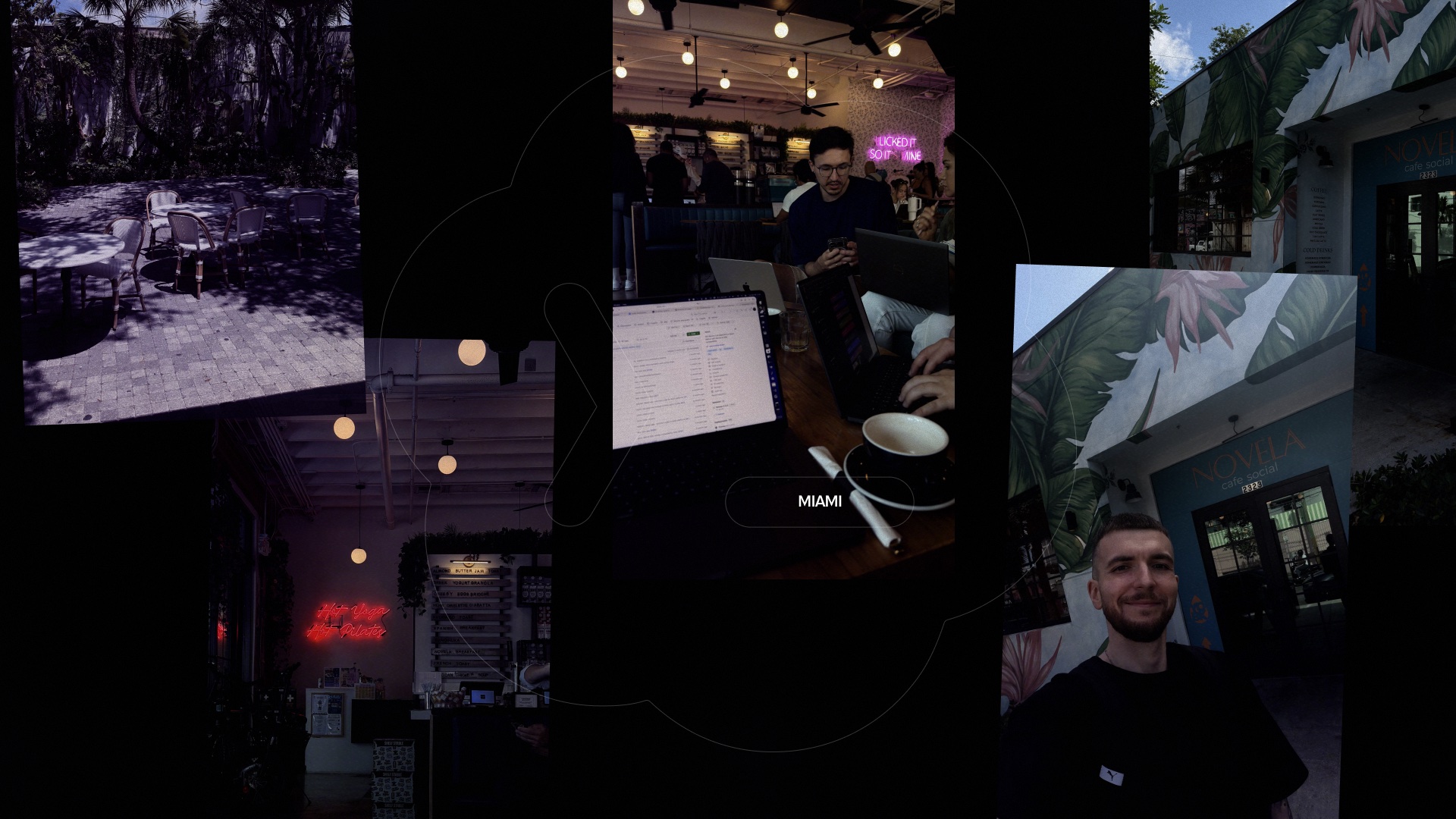
That format was just fun. We talked through features, showed possible automations, answered questions, and gave people room to explore without the pressure of a stage or a packed event.
Where do we go from here?
The main thing I took from Q1 is that Codex is no longer just a tool for engineers.
More and more, it is becoming a general-purpose tool for people doing all kinds of work. That makes this moment interesting. It also makes me want to push harder on formats that go beyond the standard meetup model.
For Q2, the plan is to keep building on that. We want another round in cities like Warsaw, Wrocław, and Berlin. We are also looking at cities that got pushed out earlier, like Dubai and Vienna. And I want to keep testing formats that are smaller, more practical, and more personal than the usual event structure.
If you are in one of those cities and want to join, let me know.
And if you are somewhere else, keep using Codex and check whether there is an Ambassador meetup near you. I really recommend it. The vibe has been great.


Learn more about Developer Experience
Here's everything we published recently on this topic.