Enterprise AI Governance
Adopt AI under enterprise constraints.
AI gets harder to use when security, compliance, and data handling requirements shape the path to production. Enterprise teams need a setup that fits those conditions from the start.



















Why enterprise AI is different
AI has to pass more
than code review.
For regulated and security-sensitive teams, the challenge is not whether AI is useful. It is whether the models, tooling, and workflows can meet security review, audit requirements, and data handling rules before rollout moves forward.
Private, self-hosted, and on-device models reduce external exposure without blocking adoption.
Workflows line up with the EU AI Act, GDPR, SOC2, and HIPAA requirements your teams already report against.
Least-privilege patterns and enforced guardrails stop AI tools from reaching into systems they should not.
Expert execution. Agentic speed.
Custom & Private Models
Deploy the right model for the job.
Standard hosted models do not fit every product or data environment. We deploy private, self-hosted, and on-device models where teams need tighter control, offline use, or models adapted to product-specific data and workflows.

Regulatory Compliance
Get AI approved in regulated environments.
Regulated teams need AI engineering practices that fit existing compliance requirements. We align controls and workflows with frameworks such as the EU AI Act, GDPR, SOC2, and HIPAA, reducing audit risk and making rollout easier to approve internally.
Use Cases

AI Security & Audits
See where your AI stack is exposed.
Most AI setups give tools and agents too much access too early. We audit permissions, integrations, and data exposure so teams can tighten control and make the setup fit enterprise requirements.
Use Cases


Assess → Deploy → Operate
Get AI approved and running.
Assess
We assess models, controls, and exposure. Leadership gets a clear approval path.
Deploy
We deploy models, workflows, and guardrails. AI runs under the controls it needs.
Operate
We keep the setup ready for the next cycle. Models, policies, and controls stay up to date.
Case studies
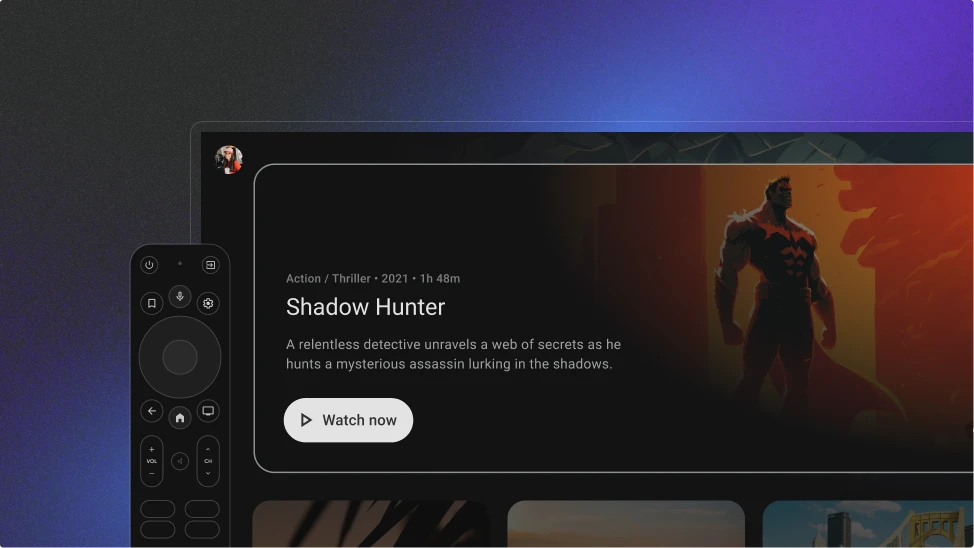
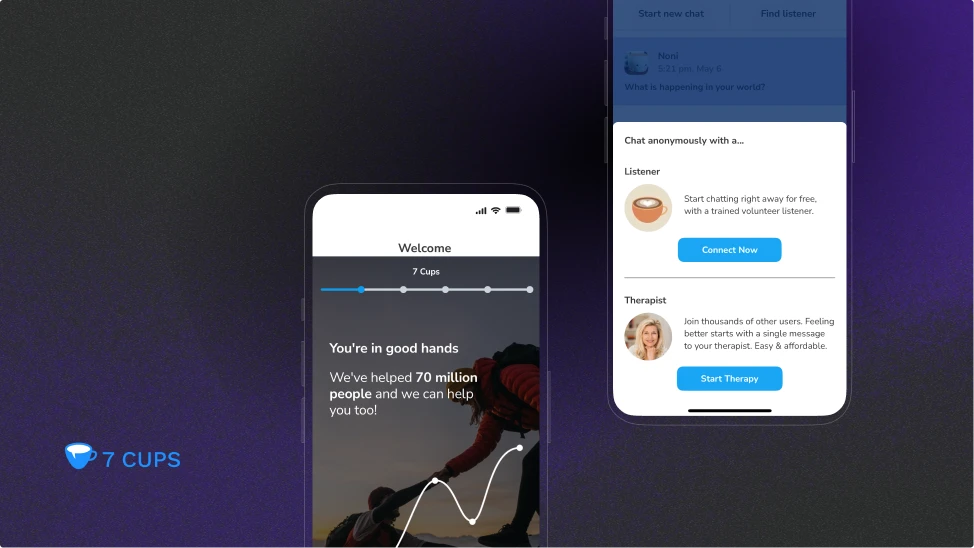
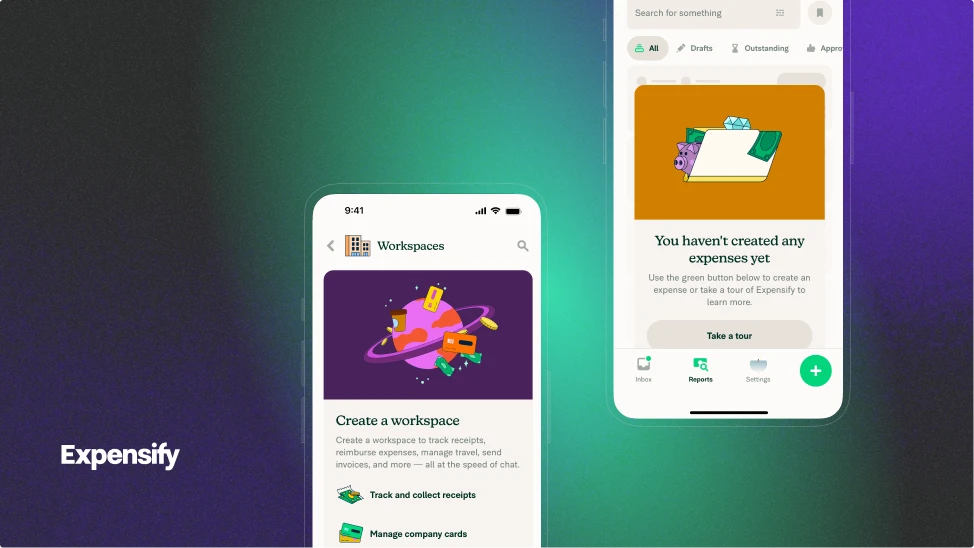
What shipping at AI speed looks like


Why teams bet on Callstack
From billion-user apps to React Native core, this is why teams choose Callstack when they need to move fast and get it right.

10 years in React Native. Now shaping agentic engineering.
For a decade, we have helped define how teams ship with React Native. Now we are helping shape how they work with agents.
Founded in 2016 ·Backed by Viking Global Investors
React Foundation members. Core Contributors.
We are founding members of React Foundation and Core Contributors to React Native. You get direct access to people close to the decisions shaping the frameworks you use.
Open source since 2016. Our code runs in your app.
We contribute to React Native and maintain libraries across its ecosystem. Our code runs in apps used by millions of people every day.
39M+
Downloads / month67K+
GitHub stars300+
React Native commits100+ Enterprise clients with 7B+ users.
We work with teams shipping at real scale. You get a partner used to high-stakes products, not learning on your roadmap.















Agent Conf. The conference for the Agentic era.
The conference we built for the shift from writing code to orchestrating agents.


We are Codex Ambassadors.
We run meetups, workshops, and hands-on sessions that help teams learn Codex and apply it in real work.
10 years in React Native. Now shaping agentic engineering.
For a decade, we have helped define how teams ship with React Native. Now we are helping shape how they work with agents.
Founded in 2016 ·Backed by Viking Global Investors
React Foundation members. Core Contributors.
We are founding members of React Foundation and Core Contributors to React Native. You get direct access to people close to the decisions shaping the frameworks you use.
Open source since 2016. Our code runs in your app.
We contribute to React Native and maintain libraries across its ecosystem. Our code runs in apps used by millions of people every day.
39M+
Downloads / month67K+
GitHub stars300+
React Native commits100+ Enterprise clients with 7B+ users.
We work with teams shipping at real scale. You get a partner used to high-stakes products, not learning on your roadmap.
Agent Conf. The conference for the Agentic era.
The conference we built for the shift from writing code to orchestrating agents.
We are Codex Ambassadors.
We run meetups, workshops, and hands-on sessions that help teams learn Codex and apply it in real work.
Open Source
Want to build it on your own?
We open-source the tools behind our delivery model.
Use them, fork them, or let us run them for you.
Insights
Worth your time, by engineers.
Announcing React Native Evals

Profiling MLC-LLM’s OpenCL Backend on Android: Performance Insights