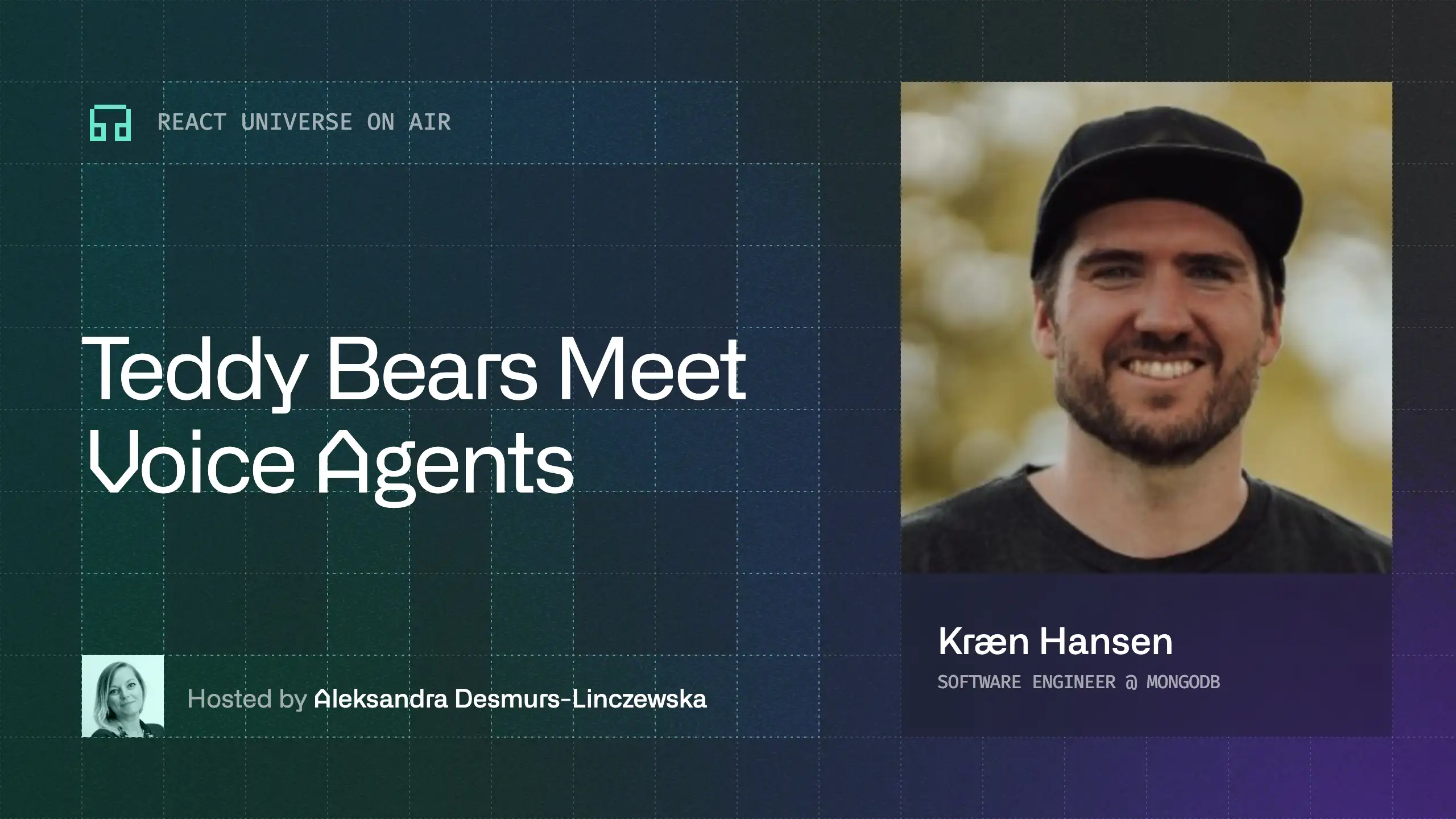


In this episode of React Universe On Air, Ola Linczewska talks with Kraen Hansen about local-first software, voice AI, mobile security, and parenting in an AI-heavy world. The conversation moves from architectural fundamentals to real-world stories drawn directly from Kraen’s experience as a software engineer, including his recent work at ElevenLabs.
Together, Ola and Kraen explore technical lessons from several years spent working on Realm and MongoDB, focusing on local-first databases and sync systems, including a TypeScript SDK, as well as Kraen’s more recent work bringing Node-API support to React Native.
Why local-first still matters
Kraen frames local-first software from the user’s perspective first. Drawing on the Ink & Switch principles, he explains why instant interactions, offline access, and long-term data ownership still matter, especially when users lose control over their data once a service shuts down or changes direction.
From the developer side, the focus lies on what changes when data lives locally. Synchronous reads and writes remove the need for optimistic updates, rollback logic, and deeply nested async flows. He explains how this simplifies UI logic and makes interactions like dragging or reordering data easier to reason about, with synchronization handled in the background.
Many local-first libraries primarily target React for the web, leaving fewer mature options on mobile. Kraen reflects on Realm as one of the rare solutions designed with React Native in mind, and why building truly local-first systems on mobile still requires careful trade-offs.
As AI enters the picture, local-first concerns resurface in a new form. Kraen and Ola discuss why running language models locally starts to matter when applications handle personal data. If both the data and the model live on the device, unnecessary network round trips disappear, reducing privacy risks and latency.
Voice agents & ElevenLabs
Kraen explains ElevenLabs’ work beyond basic text-to-speech. He describes voice agents as systems that combine speech-to-text, text-to-speech, language models, and tool calling, allowing agents to interact with real data like product catalogs or structured workflows rather than acting as generic chatbots.
One of the most concrete examples comes from a personal project: building a voice-driven scavenger hunt for Kraen’s kids. Using React Native, Expo, and text-to-speech, he turned a teddy bear into the interface and built an agent to run a game of 20 questions, where the agent correctly guessed an object.
Voice cloning, fraud, and safeguards
As the discussion turns to misuse and fraud, Kraen and Ola share personal concerns about voice impersonation scams and explain how trust is critical for voice platforms. He outlines safeguards such as consent flows, voice signatures, and detection mechanisms, while acknowledging that abuse is an ongoing challenge rather than a solved problem.
Security: Reverse-engineering a banking app & XSS on a government website
Security becomes concrete through a story about reverse-engineering a banking app to access transaction data. Kraen walks us through extracting an Android APK, dealing with certificate pinning, and inspecting network traffic using a man-in-the-middle setup. The story highlights how client-side code is observable and why security relies on layered defenses.
Another security example involves a cross-site scripting vulnerability on a Danish government site. Kraen explains how unescaped user input allowed arbitrary JavaScript to run on an official domain, how the issue was reported, and why proper sanitization matters regardless of whether systems are public or private.
Building on the security discussion, Ola and Kraen venture into how government software should be treated as an ongoing service rather than a one-off procurement.
Closing reflections
The episode ends on a more personal note, touching on parenting, boundaries, and switching off from work. Kraen and Ola reflect on how having kids changes their relationship with technology and work, reinforcing the broader theme that technical decisions ultimately shape real human experiences.
Learn more about React Native
React Native Wrapped 2025: A Month-by-Month Recap of The Year
The first edition of React Native Wrapped looks back at the year RN turned 10 and the ecosystem doubled down on the New Architecture. It provides a month-by-month record of 2025, covering major framework releases, the Legacy Architecture freeze, React 19 integration, and notable developments across tooling, performance, styling, native modules, Expo, and platform adoption.
React Native Ease: Platform-Native Animations Without the Extra Work
Lorem ipsum dolor sit amet, consectetur adipiscing elit. Suspendisse varius enim in eros elementum tristique. Duis cursus, mi quis viverra ornare, eros dolor interdum nulla, ut commodo diam libero vitae erat. Aenean faucibus nibh et justo cursus id rutrum lorem imperdiet. Nunc ut sem vitae risus tristique posuere.
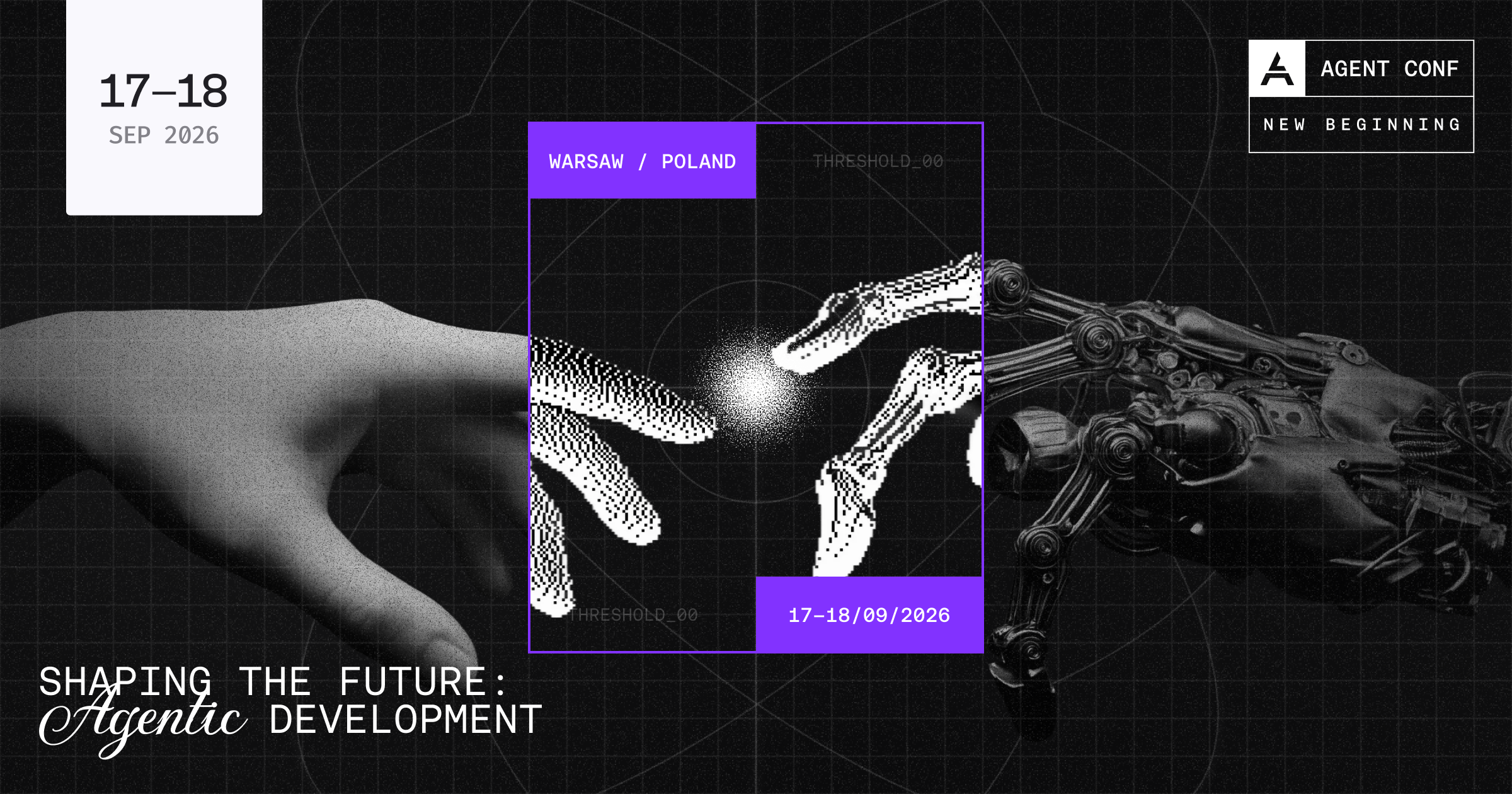
Agent Conf
Lorem ipsum dolor sit amet, consectetur adipiscing elit. Suspendisse varius enim in eros elementum tristique. Duis cursus, mi quis viverra ornare, eros dolor interdum nulla, ut commodo diam libero vitae erat. Aenean faucibus nibh et justo cursus id rutrum lorem imperdiet. Nunc ut sem vitae risus tristique posuere.
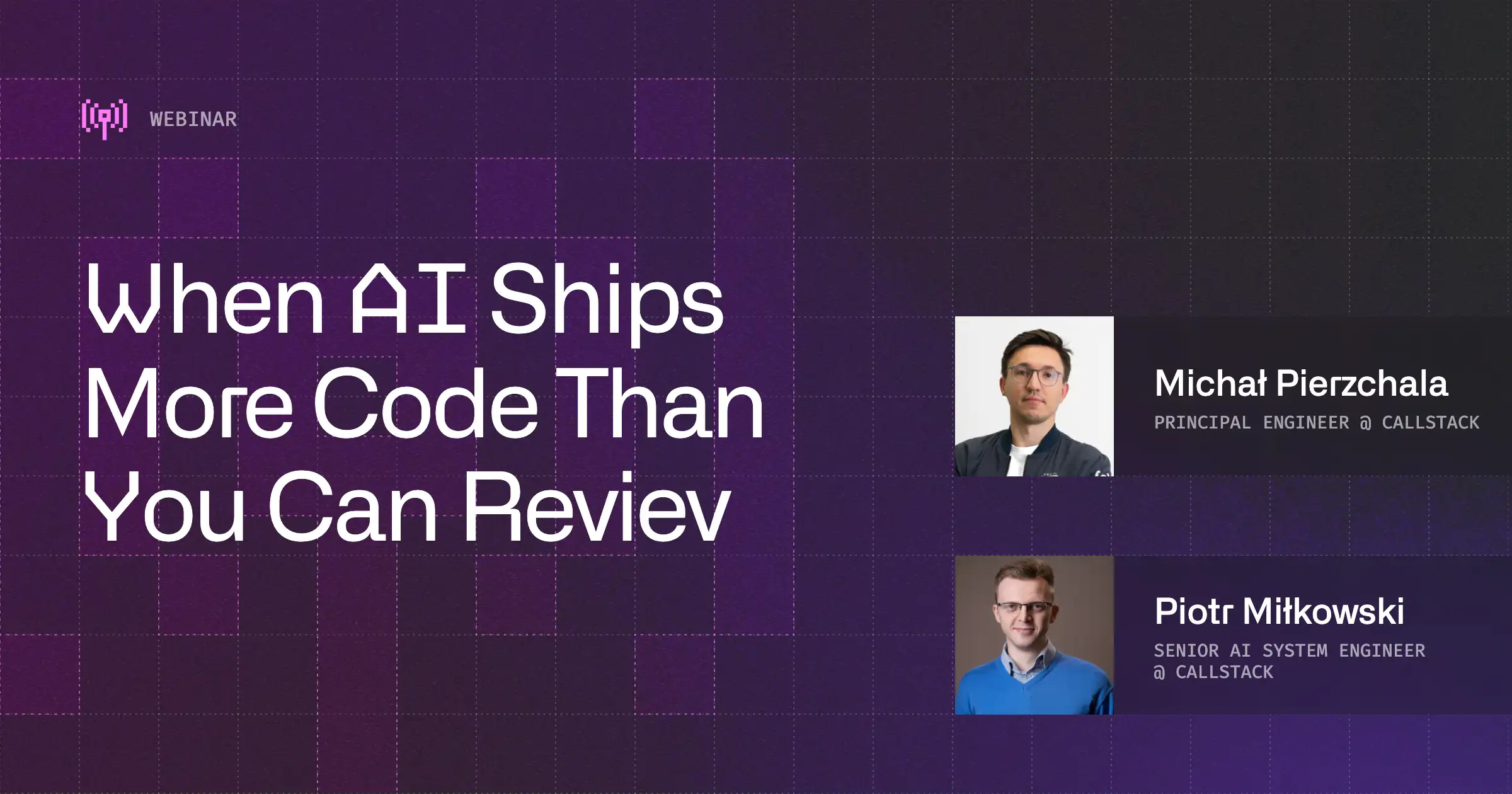
Behavior Review for AI-Native Delivery
Lorem ipsum dolor sit amet, consectetur adipiscing elit. Suspendisse varius enim in eros elementum tristique. Duis cursus, mi quis viverra ornare, eros dolor interdum nulla, ut commodo diam libero vitae erat. Aenean faucibus nibh et justo cursus id rutrum lorem imperdiet. Nunc ut sem vitae risus tristique posuere.