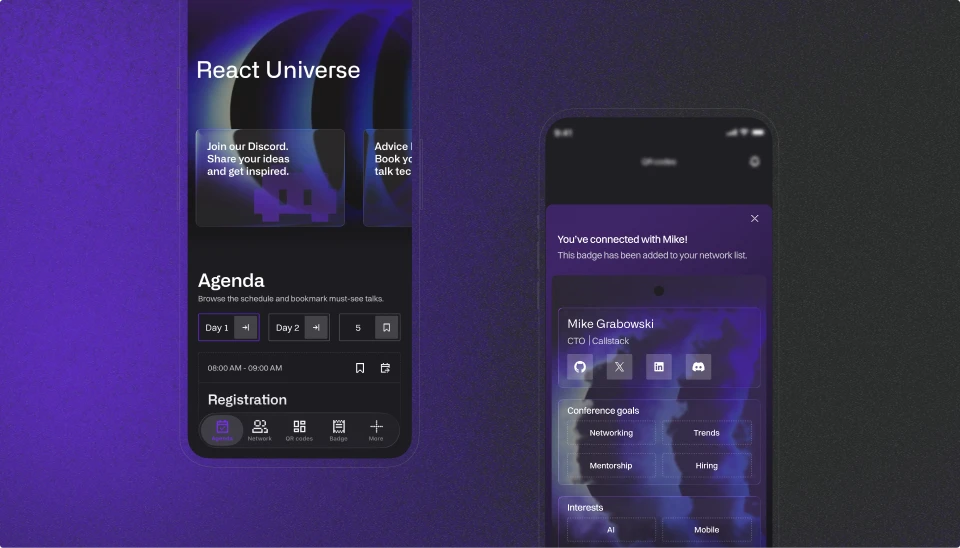
Teamworks cut mobile change lead time from days to minutes
Teamworks needed to speed up releases across seven mini-apps. Callstack reworked the delivery architecture around Re.Pack and Module Federation, cutting change lead time from 1-2 days to about 10 minutes and enabling multiple staging deployments per day.


Seven mini-apps, one slow release path
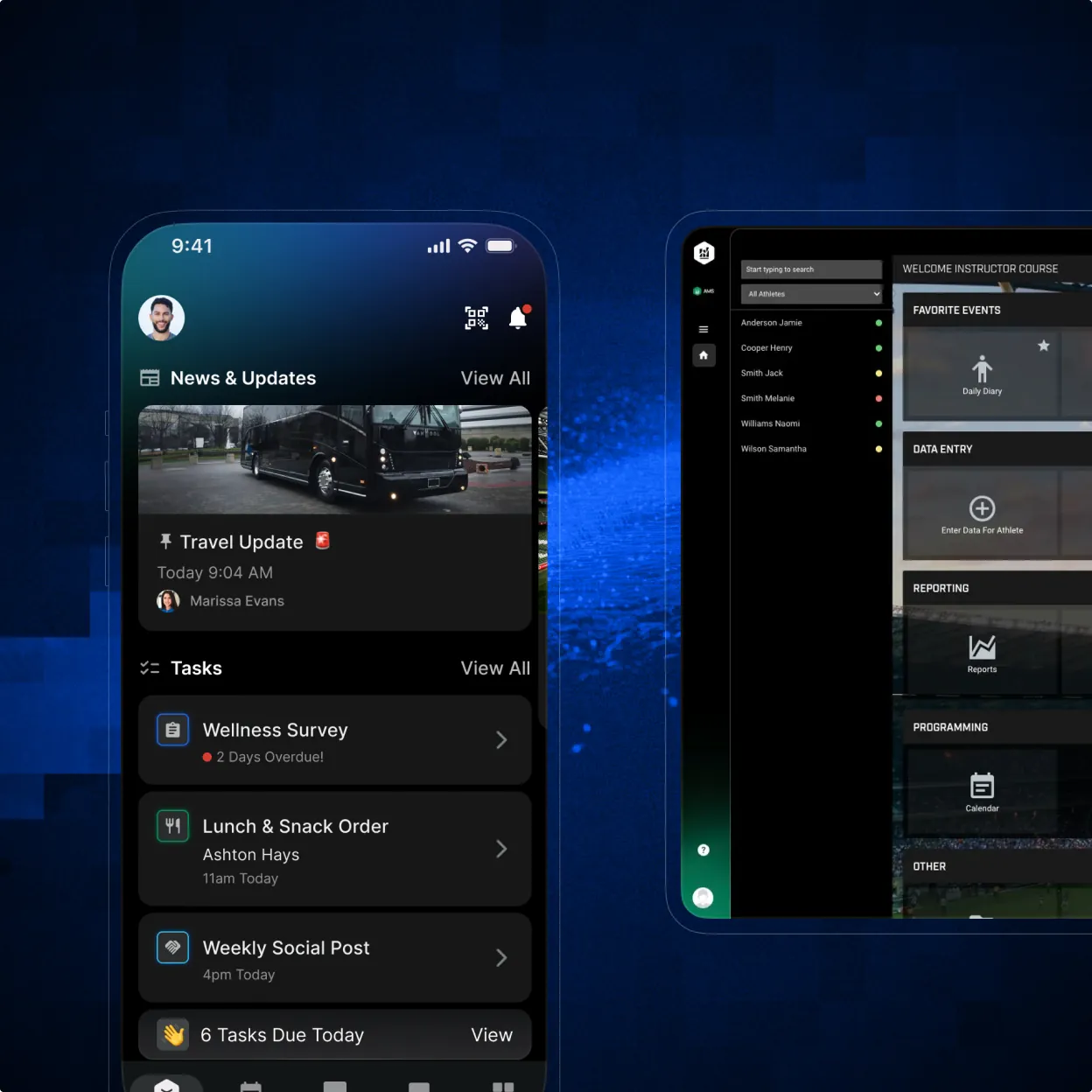
Teamworks' mobile app was already modular, but the delivery model still behaved like a monolith. Seven mini-apps were distributed through npm packages and often had to wait for host-app release cycles, turning even small updates into a 1-2 day process.
The business need was clear: shorten the path from change to production-ready delivery without compromising runtime stability. That meant decoupling mini-app releases from App Store timelines while preserving predictable caching, resilient loading behavior, and production-grade observability.
The delivery shift in numbers
We rebuilt the release model around independent mini-app delivery
Callstack rebuilt the platform around a release model designed for independent mini-app delivery. We replaced the Metro-based bundling approach with Re.Pack and Module Federation, then introduced a shell app to simplify local development and integration across all seven mini-apps.
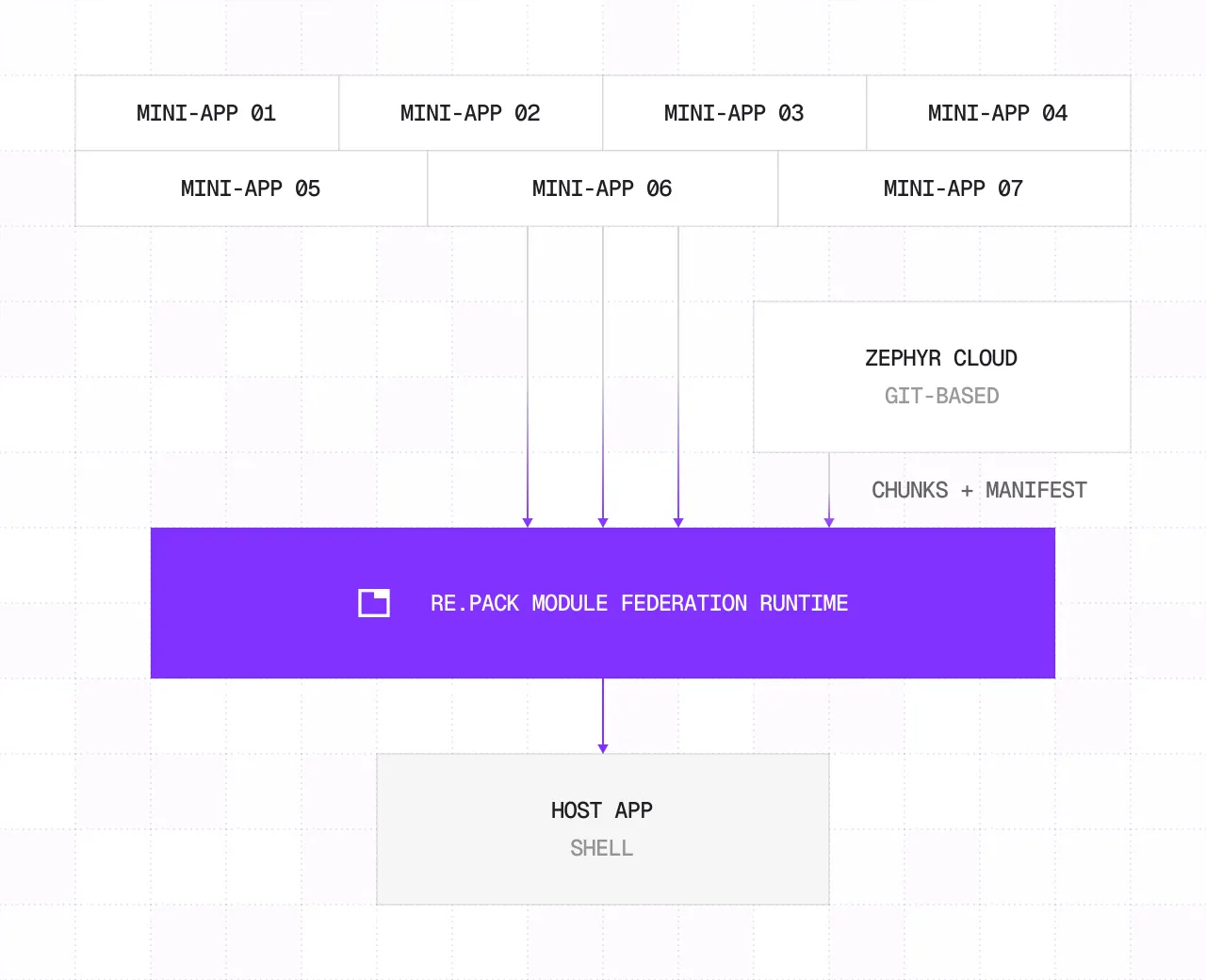
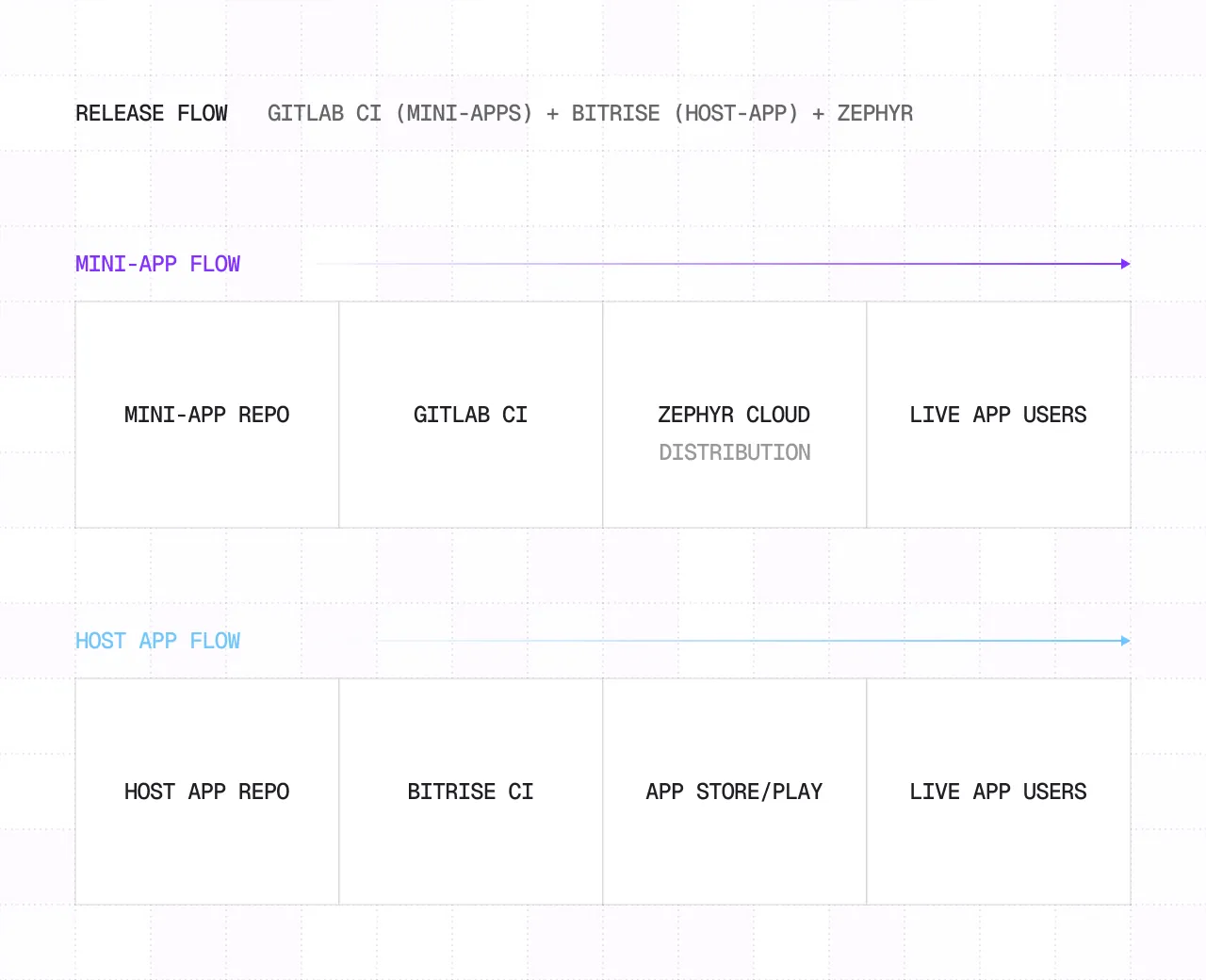
To make the new architecture operationally sound, we integrated Zephyr Cloud for git-based distribution and split the release flow into dedicated CI/CD lanes: GitLab CI for mini-app delivery and Bitrise for host-app delivery.
We also instrumented mini-app loading performance in Datadog, giving the team the visibility needed to tune the system after launch instead of treating the migration as a one-time infrastructure change.

Faster releases, shorter feedback loops, fewer delivery bottlenecks
The new architecture turned Teamworks' mobile platform into a much faster delivery system. Mini-app changes no longer had to move in lockstep with host-app releases, which shortened feedback loops and reduced coordination overhead between engineering and product teams.
- Change lead time improved from 1-2 days to about 10 minutes for mini-app delivery
- Staging deployment frequency increased from weekly to multiple times per day
- Seven mini-apps could be integrated and delivered through a cleaner shell-app architecture
- Runtime loading became more resilient through optimized chunk caching, prefetching, and recovery mechanisms
- Datadog instrumentation made mini-app performance observable in production, supporting continuous tuning
- App architecture that worked in-line with, not against, the way teams operate today
From a business standpoint, Teamworks gained a release model that matched the pace of product iteration. Instead of waiting on full host-app cycles, teams could move faster, validate changes earlier, and keep the mini-app platform maintainable as it evolved.
Seven mini-apps, one slow release path